Why Battery Life Drops in Cold Weather and What You Can Do
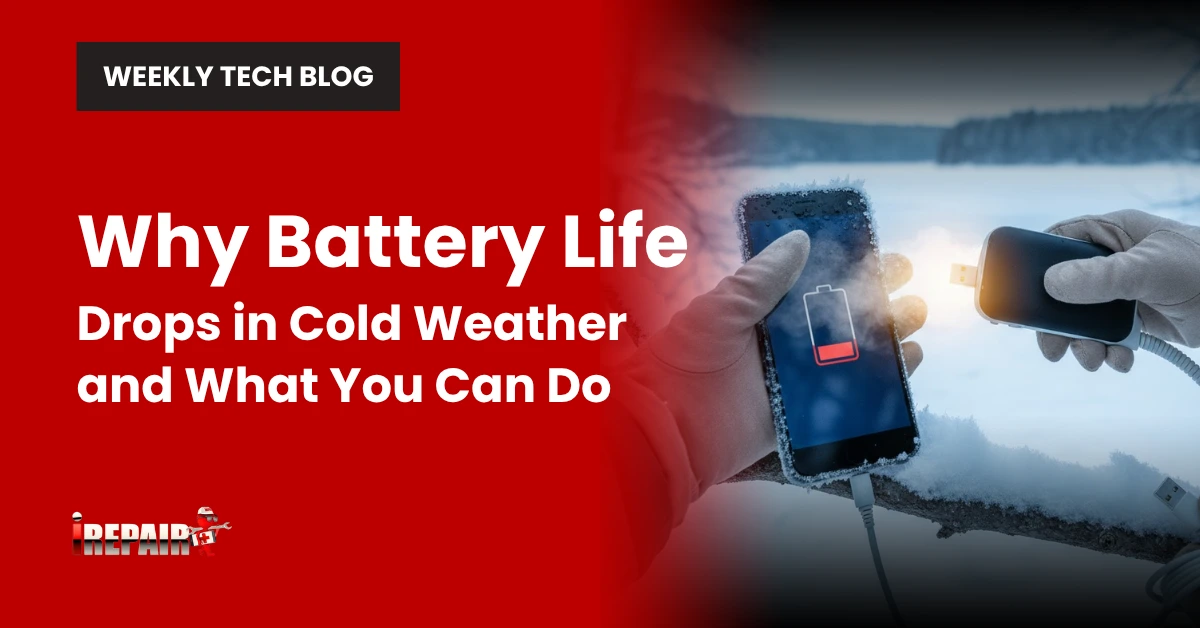
Cold weather drastically reduces battery life because lithium-ion chemistry slows down at lower temperatures. Your smartphone, camera, or electric vehicle can lose 20-50% capacity when temperatures drop below freezing. To combat this, keep devices close to your body, use insulated cases, avoid charging in freezing conditions, and warm batteries before use. Proper winter battery care not only improves immediate performance but also extends your device’s overall lifespan.
The Science Behind Cold-Weather Battery Drain
Chemistry itself is the culprit behind your device’s winter woes. Inside your smartphone, camera, or electric vehicle lies a lithium-ion battery dependent on electrochemical reactions to generate power. When temperatures drop, these reactions drastically slow down.
The lithium ions that normally flow freely between the battery’s electrodes become sluggish in cold conditions. This electrochemical reaction slowdown creates higher internal resistance, forcing your battery to work harder while delivering less power. It’s like trying to run through molasses; everything takes more effort.
Temperature effects on lithium-ion batteries are particularly noticeable below 32°F (0°C), when your device might show plenty of remaining charge but suddenly shut down. Don’t worry, this capacity loss is usually temporary, but it explains why your fully-charged phone dies quickly during winter outings.
How Temperature Affects Different Device Types
While all lithium-ion powered devices suffer in cold weather, not all electronics respond equally to temperature drops. Smartphones typically show the most dramatic effects, often shutting down completely when temperatures plunge below freezing. This occurs because their thin designs provide minimal insulation against environmental impact on battery chemistry.
Cameras and drones suffer similar fates, with flight times potentially cut in half during winter conditions. Electric vehicles, despite their larger battery packs, can lose 20-40% of their range when temperatures drop below freezing.
Device performance in winter conditions varies based on battery size, insulation quality, and power management systems. Devices with sophisticated thermal management tend to fare better, while those with smaller batteries or minimal insulation suffer more severe capacity loss.
Optimal Temperature Ranges for Maximum Battery Life
When it comes to battery performance, every lithium-ion battery has its sweet spot. Most batteries function best between 68-77°F (20-25°C), where chemical reactions occur efficiently without stressing components.
At these ideal operating temperatures for batteries, you’ll experience the longest runtime and fastest charging. When temperatures drop below 32°F (0°C), performance can decrease by up to 50%. Above 95°F (35°C), you risk permanent capacity loss.
Charging safety in low temperatures is particularly important; never charge a freezing battery. The lithium can’t properly insert into the anode when cold, forming dangerous metallic deposits instead. Always let devices warm to room temperature before plugging in.
For maximum lifespan, avoid both extremes and store devices at moderate temperatures whenever possible.
7 Practical Tips to Protect Devices in Winter
Despite the challenges cold weather presents, you can greatly extend your device’s battery life with some practical strategies. Keep smartphones and cameras close to your body heat inside coat pockets rather than backpacks. When not in use, store devices and spare batteries in insulated cases or pouches.
For outdoor activities, portable battery maintenance tips include warming power banks before use and keeping them in inner pockets. To protect electronics from freezing, never leave them in vehicles overnight where temperatures plummet. When moving between cold and warm environments, allow devices to gradually reach room temperature before charging to prevent condensation damage.
For extended outdoor sessions, consider thermal cases or hand warmers placed near (but not directly on) your device to maintain ideal operating temperature.
Long-Term Battery Care for Seasonal Changes
As temperatures fluctuate between seasons, proper battery maintenance becomes essential for extending your device’s lifespan. When preparing for winter, store batteries at 40-60% charge, never fully charged or depleted, in a room-temperature environment.
Periodically use and recharge your less-frequently used devices to prevent battery deterioration. This calibration helps maintain accurate battery level readings and preserves capacity during cold weather.
Avoid exposing electronics to rapid temperature changes, which can cause condensation inside the device. When bringing gear from cold outdoors to warm interiors, let them warm gradually in a bag or case first.
These long-term battery care practices for seasonal changes will greatly improve your battery life in cold weather and extend overall device longevity.
Frequently Asked Questions
Can Cold-Damaged Batteries Be Restored to Full Capacity?
Unfortunately, batteries permanently damaged by extreme cold typically can’t be restored to full capacity. If your battery suffered lithium plating during cold charging, the damage is irreversible. However, if you’re just experiencing temporary cold-weather performance issues, your battery will return to normal once warmed up. For best results, you’ll want to avoid charging below freezing temperatures and protect your devices from extreme cold whenever possible.
How Do Extreme Heat and Cold Compare in Battery Damage?
Heat and cold both damage batteries, but differently. Extreme heat (above 95°F) permanently degrades your battery by breaking down internal chemicals and accelerating capacity loss. Cold temperatures (below 32°F) temporarily reduce performance but typically don’t cause permanent damage unless you charge the battery while frozen. Heat’s damage is often irreversible, while cold’s effects are usually temporary; your battery recovers once warmed up. Overall, heat is more destructive long term.
Are Certain Battery Brands More Resistant to Cold Temperatures?
No battery brand is entirely immune to cold, but some perform better than others. Tesla and LG have developed batteries with cold-resistant chemistries for their EVs. Brands like Energizer, Duracell, and Panasonic offer “extreme” batteries with improved low-temperature performance. You’ll find Eneloop batteries maintain better capacity in cold conditions. For smartphones, iPhones typically struggle more in cold weather than Samsung’s models with their different battery management systems.
Does Wireless Charging Generate Enough Heat to Prevent Cold Damage?
Wireless charging does generate heat that can help batteries perform better in cold conditions. When you wirelessly charge your device, the induction process naturally produces warmth that can raise battery temperature above freezing. However, it’s not designed specifically for this purpose, and the heat isn’t always enough to fully protect against extreme cold. For better protection, consider using a dedicated insulated case alongside wireless charging.
Can Battery Health Apps Accurately Measure Cold-Weather Capacity Loss?
Battery health apps generally struggle to measure cold-weather capacity loss accurately. They’re designed to track long-term degradation rather than temporary cold effects. When your device is cold, these apps might misinterpret the reduced performance as permanent damage. The battery management system itself gets confused by cold temperatures, so the apps receiving this data can’t reliably distinguish between temporary cold-induced capacity drops and actual battery health issues you’d need to address.