Customer Preferences in Loyalty Programs What Shoppers Really Want
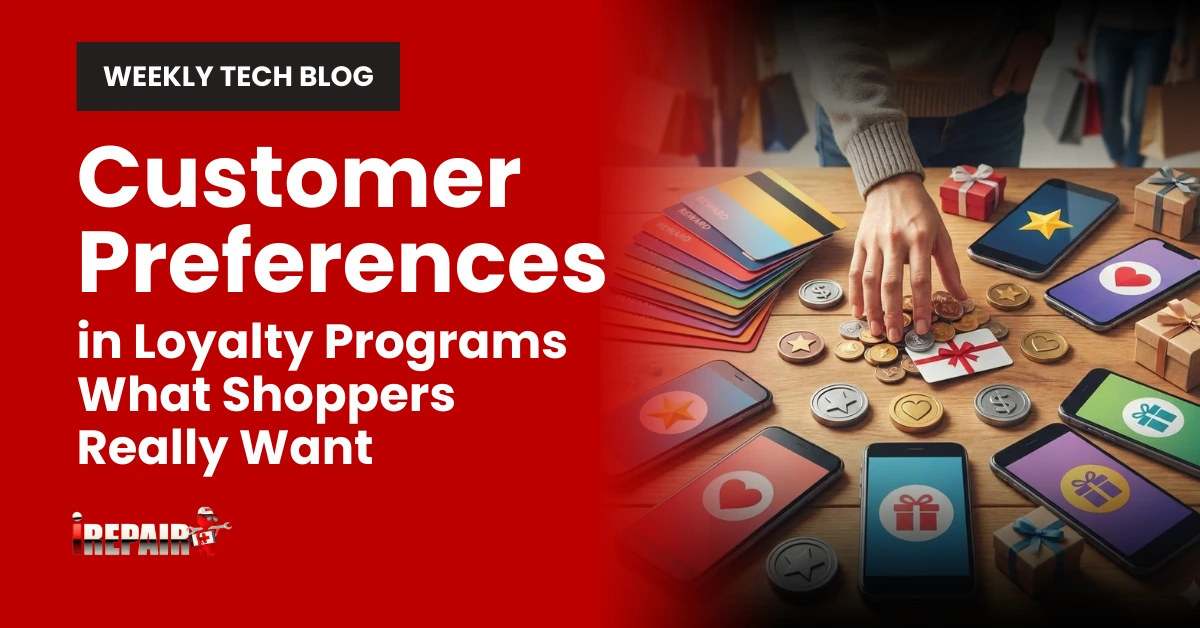
Modern shoppers want loyalty programs that go beyond basic points. You’ll see more engagement when your program offers personalized rewards based on individual preferences, seamless experiences across all channels, and emotional connections that make customers feel valued. Successful programs balance monetary benefits with exclusive experiences, VIP access, and recognition opportunities. Measuring active participation rates and redemption frequency helps confirm you’re delivering what truly matters to today’s consumers, not just savings, but meaningful brand relationships.
The Psychology Behind Effective Loyalty Programs
Why do some loyalty programs capture our hearts while others barely register in our minds? The answer lies in fundamental psychological principles that drive customer reward behavior. Successful programs tap into our desire for achievement, status, and belonging, not just our love of savings.
When you understand customer retention psychology, you’ll recognize that loyalty programs work best when they create emotional connections. People stay with brands that make them feel valued and recognized. The dopamine rush from earning and redeeming rewards creates positive associations with your brand, while progress indicators (like points accumulating or tier status) satisfy our need for achievement.
The most powerful programs balance rational benefits with emotional rewards, creating a psychological framework that turns occasional shoppers into brand advocates.
Personalization: Moving Beyond the One-Size-Fits-All Approach
While standard loyalty programs can drive initial engagement, today’s consumers expect experiences tailored specifically to their preferences and behaviors. Customer loyalty insights reveal that 79% of shoppers are more likely to engage with a brand that demonstrates it understands them personally.
Effective loyalty personalization involves analyzing purchase history, browsing behavior, and demographic data to deliver targeted rewards that resonate with individual customers. Instead of offering everyone the same 10% discount, consider recommending products based on past purchases, sending birthday rewards, or creating custom milestone celebrations.
Remember that personalization extends beyond rewards; your communications should also reflect customer preferences in timing, channel, and content. When members feel truly seen and valued as individuals, their emotional connection to your brand greatly strengthens.
Seamless Omnichannel Integration: Creating Frictionless Experiences
How effectively does your loyalty program migrate across different customer touchpoints? Today’s shoppers expect an omnichannel loyalty experience that recognizes them regardless of how they interact with your brand.
Customers become frustrated when their loyalty points aren’t accessible across platforms or when in-store purchases aren’t reflected in their mobile app. The most successful programs deliver seamless rewards across online, in-store, and mobile channels without requiring customers to jump through hoops. Whether scanning a digital card in-store, earning points through an app, or redeeming rewards on your website, the experience should feel consistent and connected.
When you create this frictionless ecosystem, you’re not just simplifying logistics; you’re building a loyalty experience that fits naturally into your customers’ lives.
Value Beyond Discounts: Non-Monetary Rewards That Drive Engagement
Four key non-monetary rewards consistently outperform traditional discounts in driving long-term loyalty. First, exclusive experiences like VIP events or early product access create memorable touchpoints that deepen emotional connections. Second, recognition through personalized thank-you notes or social media shoutouts satisfies customers’ desire to feel valued. Third, convenience benefits such as priority service or expedited shipping remove friction points in the customer journey. Fourth, community involvement through charitable donations or sustainability initiatives aligns with your customers’ values.
Effective loyalty experience optimization requires understanding that today’s customer reward expectations extend beyond monetary savings. When you offer meaningful non-monetary rewards that reflect your brand’s unique values, you’re not just incentivizing transactions; you’re building relationships that withstand competitive pressures and price sensitivity.
Measuring Success: Key Metrics That Matter to Both Brands and Consumers
Although loyalty programs generate mountains of data, identifying which metrics truly matter can transform how you evaluate success. Beyond basic enrollment numbers, focus on active participation rates and redemption frequency to gauge program health.
For brands, tracking long-term customer value reveals how loyalty initiatives impact revenue over time. Monitor purchase frequency, average order value, and retention rates to quantify ROI. Customer lifetime value should increase meaningfully among program members.
For consumers, satisfaction hinges on perceived value delivery. Regular surveys examining how well the program meets customer loyalty preferences provide invaluable insights. Track ease-of-use ratings and Net Promoter Scores to identify friction points.
The most telling metric? The percentage of customers who modify shopping behavior specifically to earn rewards demonstrates genuine program impact.
Frequently Asked Questions
How Often Should Loyalty Programs Refresh Their Reward Offerings?
Loyalty programs should refresh their reward offerings at least quarterly to maintain customer interest. You’ll want to regularly analyze redemption rates and customer feedback to guide these updates. It’s important to maintain your core popular rewards while introducing new options that reflect changing preferences. Don’t wait until engagement drops – proactive refreshes show you’re attentive to customer needs and help prevent program fatigue.
Can Small Businesses Compete With Large Retailer Loyalty Programs?
Yes, you can absolutely compete with large retailer loyalty programs. Your small business advantage is personalization and community connection. Focus on knowing customers by name, offering unique local rewards, and creating genuine relationships that larger retailers can’t match. You don’t need complex technology; simple punch cards or basic apps work well. Leverage your agility to quickly adjust offerings based on customer feedback, and emphasize your authentic local values that big brands can’t replicate.
Do Loyalty Programs Increase Customer Spending or Just Reward Existing Behavior?
Well-designed loyalty programs actually do both. They reward your current spending habits, making you feel valued, but they’ll also nudge you to spend more through strategic incentives like tiered benefits or spending thresholds. Research shows loyal program members typically spend 12-18% more annually than non-members. However, if a program only rewards what you’d buy anyway without encouraging additional purchases, it’s not maximizing its potential for the business.
How Do Generational Differences Impact Loyalty Program Preferences?
Generational differences profoundly impact loyalty program preferences. Boomers tend to value simplicity and tangible rewards, while Gen X prefers practical benefits and privacy. Millennials expect personalization and omnichannel experiences. Gen Z demands instant gratification, mobile-first interactions, and alignment with social values. You’ll need to tailor your loyalty strategy to each demographic’s expectations, whether it’s offering traditional point systems for older customers or incorporating gamification and purpose-driven rewards for younger shoppers.
What Privacy Concerns Should Brands Address When Collecting Loyalty Program Data?
You should address several key privacy concerns in your loyalty data collection. First, be transparent about what data you’re collecting and why. Always get explicit consent and offer opt-out options. Secure customer information with proper encryption and data protection measures. Clearly communicate how long you’ll retain their data and who has access to it. Finally, follow all relevant regulations like GDPR or CCPA to maintain trust and compliance.